Health preparation is personal and time-sensitive. Speak with a qualified travel-health professional who can review your medical history, itinerary, altitude, transit countries, and current public-health notices.
Book a travel-health appointment early
A clinician needs the full route, not only the word Tanzania. Moshi, high-altitude Kilimanjaro, northern safari parks, southern reserves, Zanzibar, and remote western areas involve different environments and access to care. Transit countries can also affect certificate requirements.
Take your vaccination record, regular medication list, allergies, and insurance details. Ask about routine vaccines, destination-specific recommendations, mosquito-borne disease prevention, food and water precautions, and a personal plan for illness during travel.
Only a qualified clinician can recommend vaccines or medicines for an individual. Health notices and entry requirements can change after this page is published.
Discuss malaria and bite prevention
Malaria risk and prevention decisions should be discussed with a travel-health professional. Medication choice depends on medical history, timing, side effects, and the areas visited. Even when medication is prescribed, bite prevention remains important.
Use a clinician-recommended repellent, suitable clothing in the evening, and the mosquito protection provided by your accommodation. Keep medicine in original packaging and carry enough for disruption. Seek prompt medical assessment for fever during or after travel and tell the clinician where you have been.
- Repellent selected with professional advice
- Long, light clothing for evenings
- Accommodation nets or screened rooms where supplied
- Medication carried in hand luggage
- Insurance and access plan for urgent care
Yellow fever certificates depend on route
Certificate requirements can depend on where you arrive from and how long you transit in a country considered at risk. Do not assume the rule from nationality alone. Give the clinic and airline your exact flight routing, including overnight or long connections.
If vaccination is medically unsuitable, ask the clinician about documentation and then verify whether authorities will accept it. An operator cannot overrule border or airline requirements.
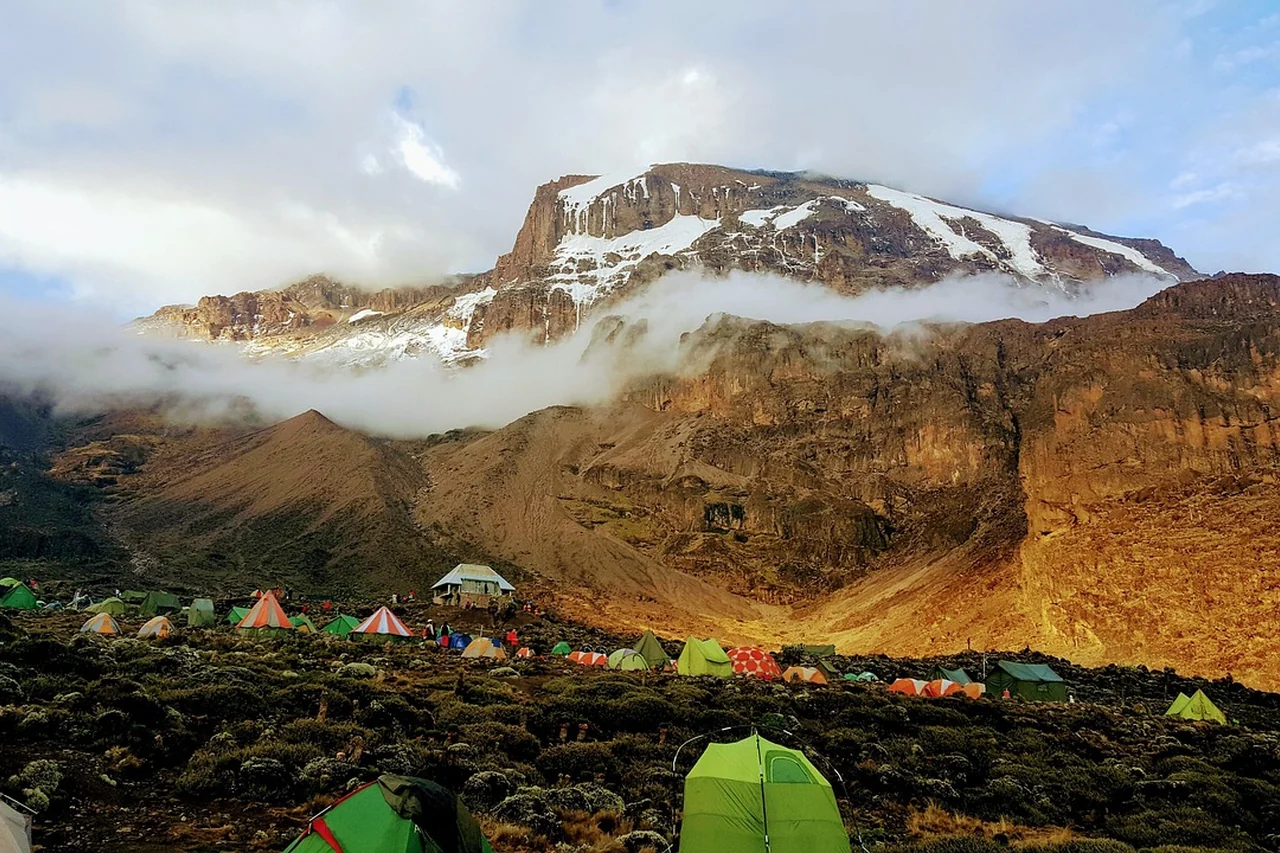
Kilimanjaro adds a separate altitude risk
High altitude can affect fit, experienced hikers. Training improves walking capacity but does not provide immunity from altitude illness. Discuss heart, lung, blood, neurological, pregnancy, and medication considerations with a clinician before committing to a route.
On the mountain, report symptoms honestly. Guides may slow the pace, repeat checks, or require descent. Travel insurance should specifically cover high-altitude trekking and evacuation at the maximum elevation reached.
Build a personal health and document kit
Pack regular prescriptions in original labelled containers, with a copy of the prescription and a clinician letter where appropriate. Split critical medication between hand luggage and a second secure place when safe to do so.
The kit should match your trip rather than copying a generic pharmacy list. Include sun, heat, dust, cold, blister, stomach, allergy, and motion-sickness items only after professional advice and checking airline restrictions.
- Regular prescriptions and documentation
- Travel-insurance certificate
- Emergency assistance number
- Small first-aid and blister kit
- Sun and insect protection
- Oral rehydration or other items advised by a clinician
Plan how you would obtain care
Know which number to call first, what your insurer requires before treatment or evacuation, and how payment is handled. Remote parks and mountain routes can be far from advanced care. Air evacuation depends on weather, daylight, location, and provider availability.
Tell Kilima about relevant conditions, allergies, mobility needs, dietary restrictions, and emergency contacts before travel. Share only information needed to operate the trip safely.
Entry, health, park, airline, and insurance rules can change. Use the official authority or your qualified professional for the final decision.
Frequently asked questions
Which vaccinations do I need?
That depends on your medical history, itinerary, transit countries, current notices, and home-country guidance. Ask a qualified travel-health clinician.
Is yellow fever vaccination always required?
No single answer applies to every routing. Requirements may depend on travel from or transit through a risk country. Verify with official sources and your airline.
Do I need malaria medication?
Discuss your exact route and medical history with a clinician. Do not rely on an operator or general website for a personal prescription decision.
Does travel insurance need altitude coverage?
For Kilimanjaro, the policy should cover trekking and evacuation at the maximum planned altitude, plus medical treatment and trip disruption.
What should I do if I feel ill after returning home?
Seek medical advice promptly and tell the clinician where and when you travelled, especially if you have fever or severe symptoms.