The Great Migration is a living system of grazing, rainfall, birth, movement, and survival. A month-by-month guide is useful only when it is treated as probability rather than a timetable.
What the migration actually is
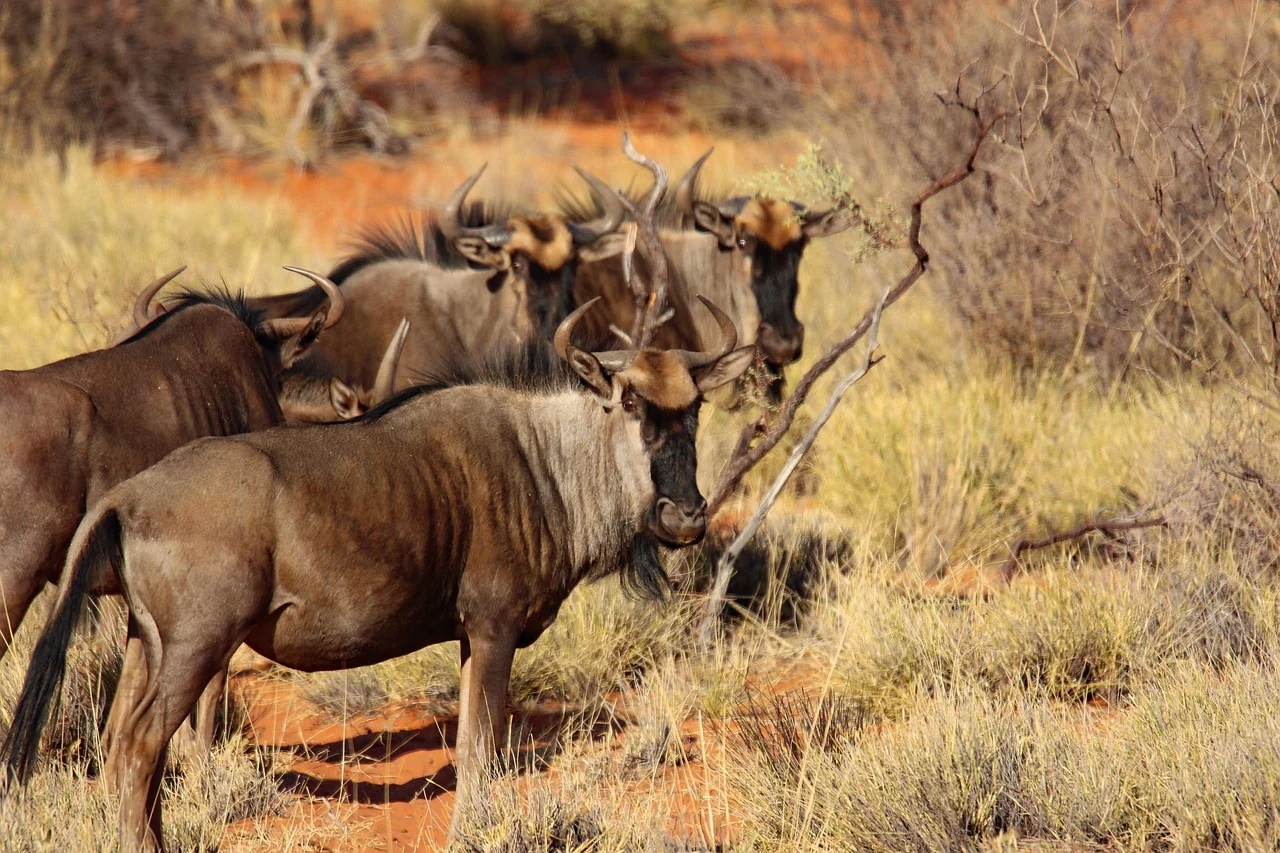
Large numbers of wildebeest, zebra, and other grazers circulate through the Serengeti-Mara ecosystem in response to water and fresh grass. There is no single line of animals moving at the same speed. The herds spread, split, regroup, and may remain in an area longer or shorter than expected.
A migration safari is therefore about choosing the right broad region and allowing enough time. It is not a ticket to a guaranteed crossing or birth. Resident predators and general wildlife make the trip worthwhile even when the main herds are not beside the vehicle.
River levels, herd decisions, weather, access, and luck determine what happens. The itinerary can improve positioning but cannot schedule nature.
A broad month-by-month planning map
January to March often draws attention to the southern Serengeti and Ndutu plains, where many calves may be born during the wider calving period. April and May can see herds beginning to move through central or western areas as rains and grass change. June often becomes a transition toward the western corridor and drier conditions.
From July into October, parts of the migration may be in the north, western corridor, or Maasai Mara, with river-crossing opportunities that remain unpredictable. November and December can bring movement toward eastern and southern plains as short rains refresh grazing. These are broad patterns, not booking guarantees.
| Months | Broad area often considered | Planning emphasis |
|---|---|---|
| Jan-Mar | Southern Serengeti and Ndutu | Calving landscapes, predators, green season |
| Apr-May | Central and western movement | Rain, lower traffic, flexible access |
| Jun | Western corridor transition | Longer drives, river areas, changing distribution |
| Jul-Oct | Northern and western Serengeti | River opportunities, high demand, multiple nights |
| Nov-Dec | East and southward movement | Short rains, fresh grass, flexible routing |
Choose the region before choosing the camp
Seasonal camps move or operate in different Serengeti regions. Permanent lodges remain fixed. A beautiful camp can be the wrong choice if it requires hours of driving to the likely wildlife area. The proposal should explain why the camp is located where it is for your dates.
Northern Serengeti is not one small riverbank, and the southern plains extend beyond a single gate. Airstrip choice, transfer time, road condition, and the number of nights all affect opportunity. A three-night regional stay usually makes more sense than a rushed arrival, one full day, and departure.
- Exact camp or lodge and operating dates
- Nearest practical airstrip
- Drive time to common wildlife areas
- Number of full mornings and afternoons
- Whether the vehicle is private
- Alternative plan if herds are elsewhere
River crossings: patience, pressure, and ethics
Crossings can happen quickly after hours of waiting, or not at all. Vehicles gather where access allows, and crowding can become intense. A guide must balance patience with the wellbeing of guests and respect for park rules. Pushing too close can affect animal movement and creates poor behaviour even when the photograph looks dramatic.
Ask how the operator approaches vehicle positioning and whether your group is willing to spend several hours waiting. Photographers should plan food, water, toilet breaks, dust protection, and more than one day in the region.
Build a safari that works without the headline event
Migration positioning should sit inside a complete Serengeti experience. Resident lions, leopards, cheetahs, elephants, giraffes, hyenas, birds, kopjes, and changing light remain important. Including Ngorongoro or Tarangire adds habitat contrast rather than acting as backup.
A strong plan avoids a fragile chain of same-day flights and long drives. It leaves room for weather changes and keeps the final night sensible for the next destination.
Frequently asked questions
What is the best month for a migration safari?
It depends on whether you value southern calving landscapes, western movement, or northern river opportunities. Each period has different weather, demand, and uncertainty.
How many nights should I spend in a migration region?
Three nights is a useful minimum for many seasonal areas, with four or more better for photography and unpredictable crossings.
Can I see the migration from central Serengeti all year?
Central Serengeti has strong resident wildlife and herds may pass through, but the largest concentrations move. Region choice should match the travel window.
Should I fly or drive to northern Serengeti?
Flying protects time but costs more and has luggage limits. Driving can create a rewarding overland route when enough days are available.
Are calving dates exact?
No. The wider period is seasonal and births occur over time. Rainfall and herd distribution change each year.