
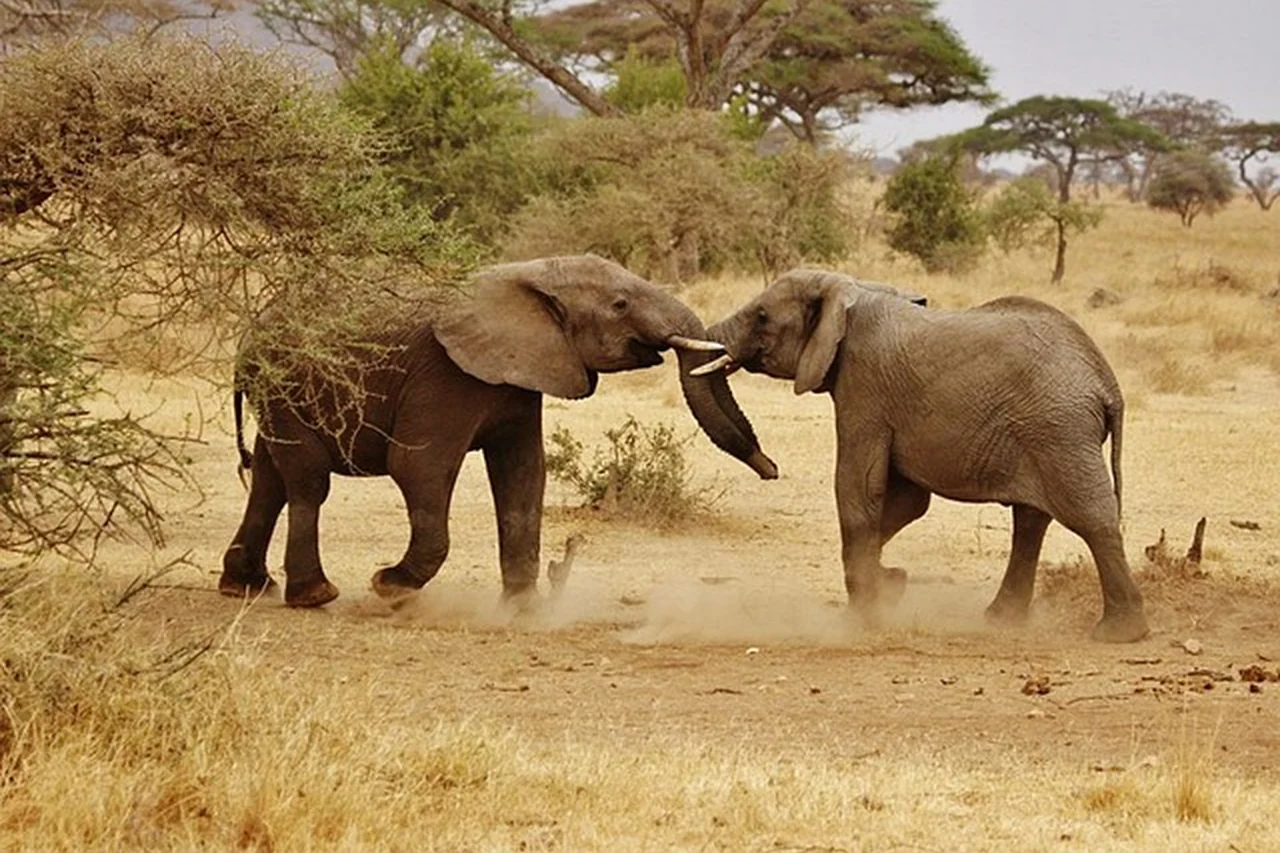
A family safari succeeds when the route respects attention spans, sleep, meals, room layouts, and drive time. Children do not need a simplified Tanzania; they need a well-paced one.
Plan around the actual ages and personalities
A six-year-old, a teenager, and a grandparent can enjoy the same trip but not the same daily schedule. Share each child's age at travel, interests, motion-sickness history, dietary needs, sleep pattern, and comfort with early starts.
Some camps and activities have age limits. Family rooms, triples, interconnecting rooms, and extra beds vary widely. Confirm the exact arrangement rather than assuming the word family means one layout.
Reduce long transfer blocks and one-night stays
A private vehicle lets the family stop, return early, or split an activity within operational limits. Two or three nights in one place can be more rewarding than collecting parks. Pools, gardens, and a relaxed lunch can matter as much as another late drive.
For a first trip, use manageable road days or add a flight where it removes a genuinely long sector. Do not combine a full crater drive, a distant lodge, and a late airport connection on the same day.
Park hours, road conditions, flight schedules, wildlife safety, and guide judgement still set boundaries. The advantage is flexibility inside those boundaries.
Vehicle comfort and child safety
Ask how many window seats the vehicle provides, where luggage is stored, and whether a suitable child seat can be supplied. Availability and standards vary; families may prefer to bring a familiar approved seat after checking airline and vehicle compatibility.
Pack simple quiet activities, snacks agreed with the guide, wipes, refillable bottles, and a small blanket. Children must remain seated when the guide instructs and should never climb through the roof near animals.
Choose accommodation for family life
Location reduces tiring commutes. A pool is useful only when there is time and an adult can supervise. Check fencing, steps, balcony rails, nighttime escort rules, electricity, meal times, and whether tents are separated by open ground.
Some bush camps do not allow children to walk alone between rooms and common areas. Families should understand the safety briefing and decide whether the setting suits their children.
Health, food, and downtime
Consult a paediatric or travel-health professional with the exact itinerary. Carry prescriptions, familiar snacks for difficult travel days, sun and insect protection, and a plan for fever or stomach illness. Hydration deserves attention in heat and on dusty drives.
Tell camps about allergies in advance and repeat the information on arrival. A slower morning after a poor night can protect the rest of the safari.
Make the guide part of the education
A good family guide turns tracks, dung, insects, bird calls, plants, geology, and community life into a conversation. Share children's interests before arrival so the guide can prepare without making the day feel like school.
Wildlife ethics are part of the lesson: no feeding, shouting, touching, chasing, or demanding that the vehicle block an animal.
Frequently asked questions
What age is best for a safari?
There is no universal minimum, but age affects drive length, camp rules, health planning, and activity eligibility. Share exact ages before booking.
Can children stand through the roof?
Only when the guide says it is safe and the vehicle is stationary. Near wildlife, children must follow seating and noise instructions immediately.
Do camps have family rooms?
Some do, but layouts differ. Confirm beds, bathrooms, separation, and whether rooms are in one unit.
Should we add Zanzibar?
A beach finish can give useful downtime, but choose coast, room, meal plan, and transfer length for the family rather than adding it automatically.
Can dietary allergies be handled?
Many can be managed with advance notice, but severe allergies require detailed discussion, medical planning, and realistic expectations in remote camps.