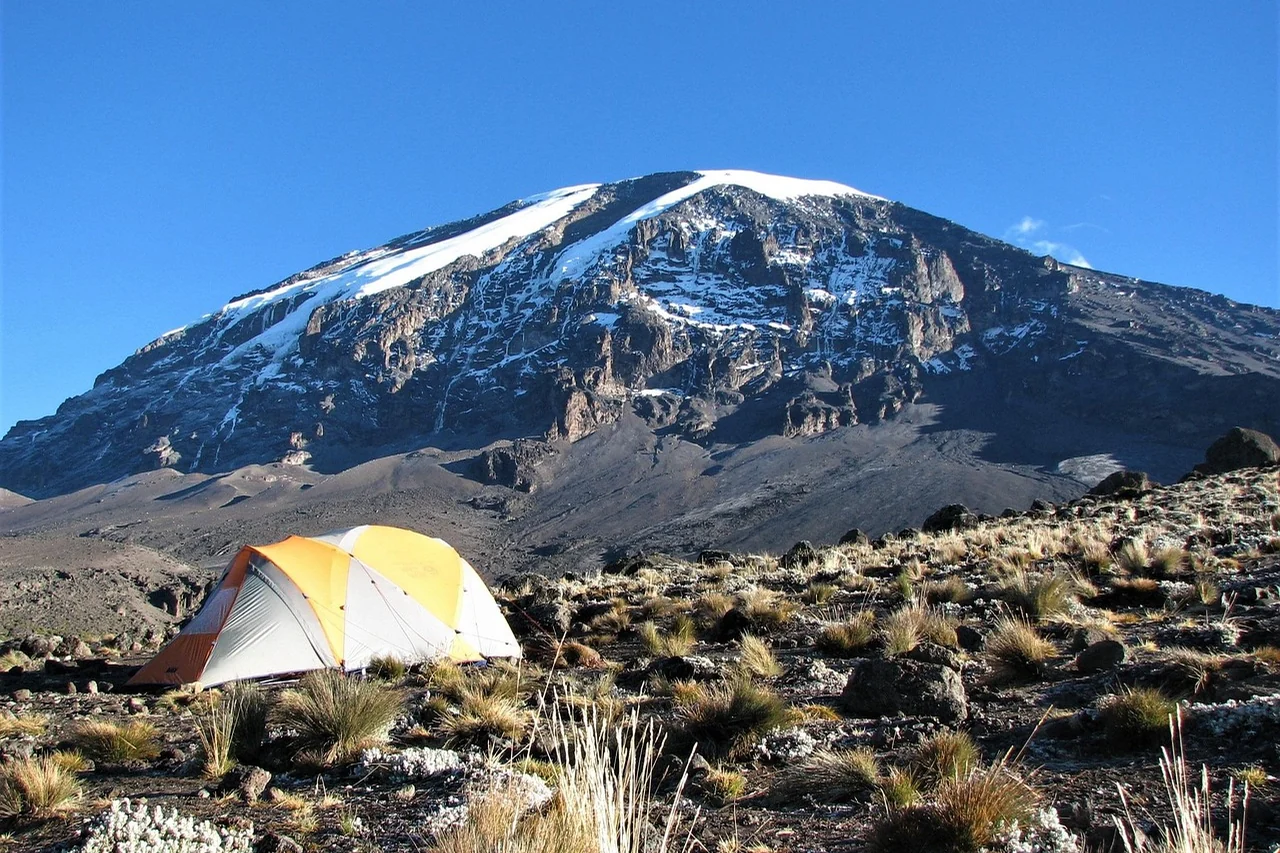
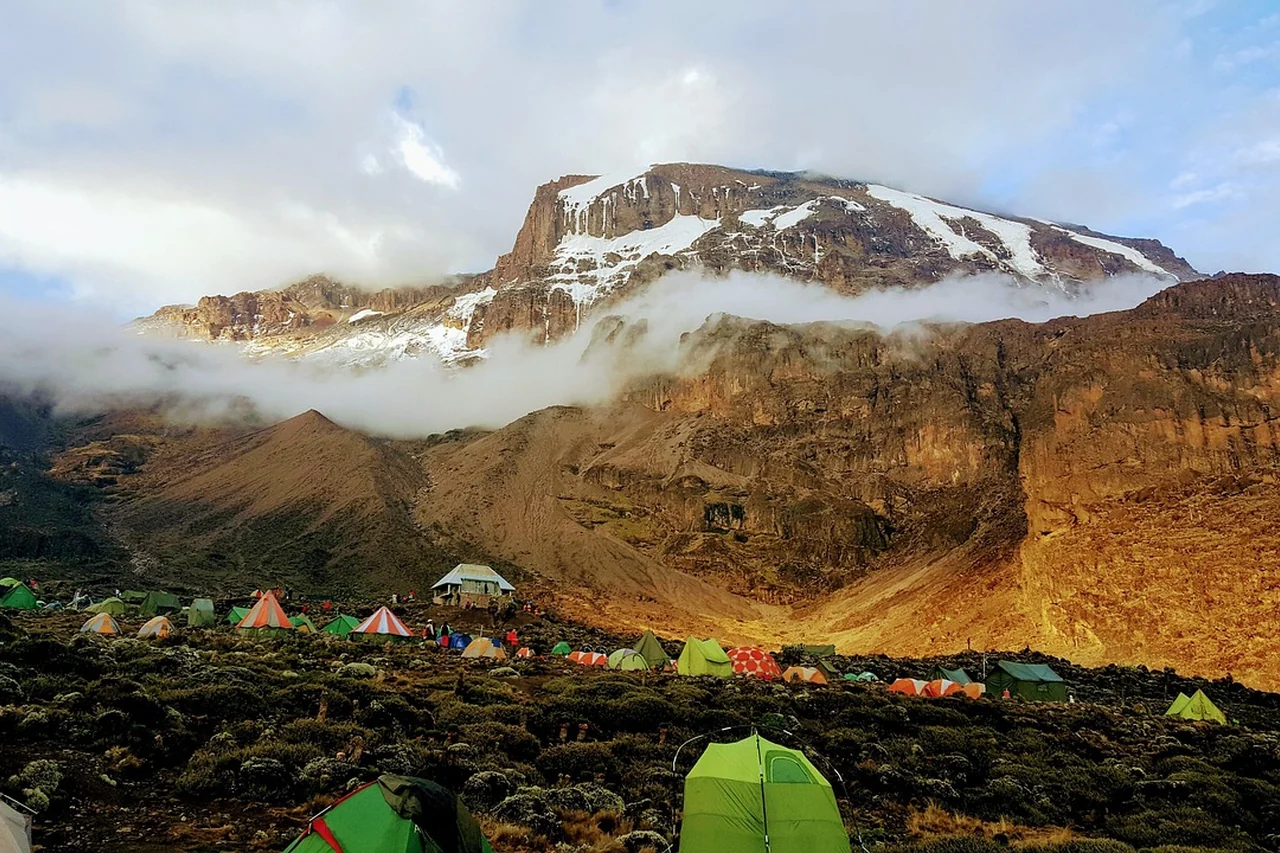
Who should consider the Umbwe Route
Experienced high-altitude trekkers with strong conditioning and a clear reason for choosing a steep, rapid approach.
A direct and steep southern approach that reaches Barranco quickly, then follows the southern circuit to Barafu and the summit.
Accommodation: Mountain tents. Trail use: Quiet lower route. Overall character: Very challenging.
Longer schedules can support acclimatisation, but every climber responds differently. Headache, nausea, unusual fatigue, confusion, poor balance, or breathing problems must be reported immediately. A guide may require descent.
Camp-by-camp itinerary
Walking times are planning ranges. The guide controls pace and can change timing for weather, trail congestion, and group wellbeing.
Umbwe Gate to Umbwe Cave Camp
Begin from Umbwe Gate on a steep forest trail that gains height quickly along a narrow ridge. The route is physically demanding from the first day and offers less time for acclimatisation than longer approaches. The guide sets a very slow pace and watches the group carefully. Umbwe Cave Camp is simple and enclosed by forest, with an early dinner and health check.
On the Umbwe Route, this stage is managed as part of the whole acclimatisation plan, not as an isolated race to the next camp. Walking time and camp order can shift with weather, trail conditions, and park instructions.
Umbwe Cave to Barranco Camp
Climb out of forest into more open, rugged terrain and continue toward Barranco. The day gains altitude rapidly before reaching the southern circuit. Views can be dramatic, but the route's steep profile is the main consideration. Hydration, honest symptom reporting, and a conservative pace are essential; the guide may alter plans if acclimatisation is not progressing safely.
On the Umbwe Route, this stage is managed as part of the whole acclimatisation plan, not as an isolated race to the next camp. Walking time and camp order can shift with weather, trail conditions, and park instructions.
Barranco Camp to Karanga Camp
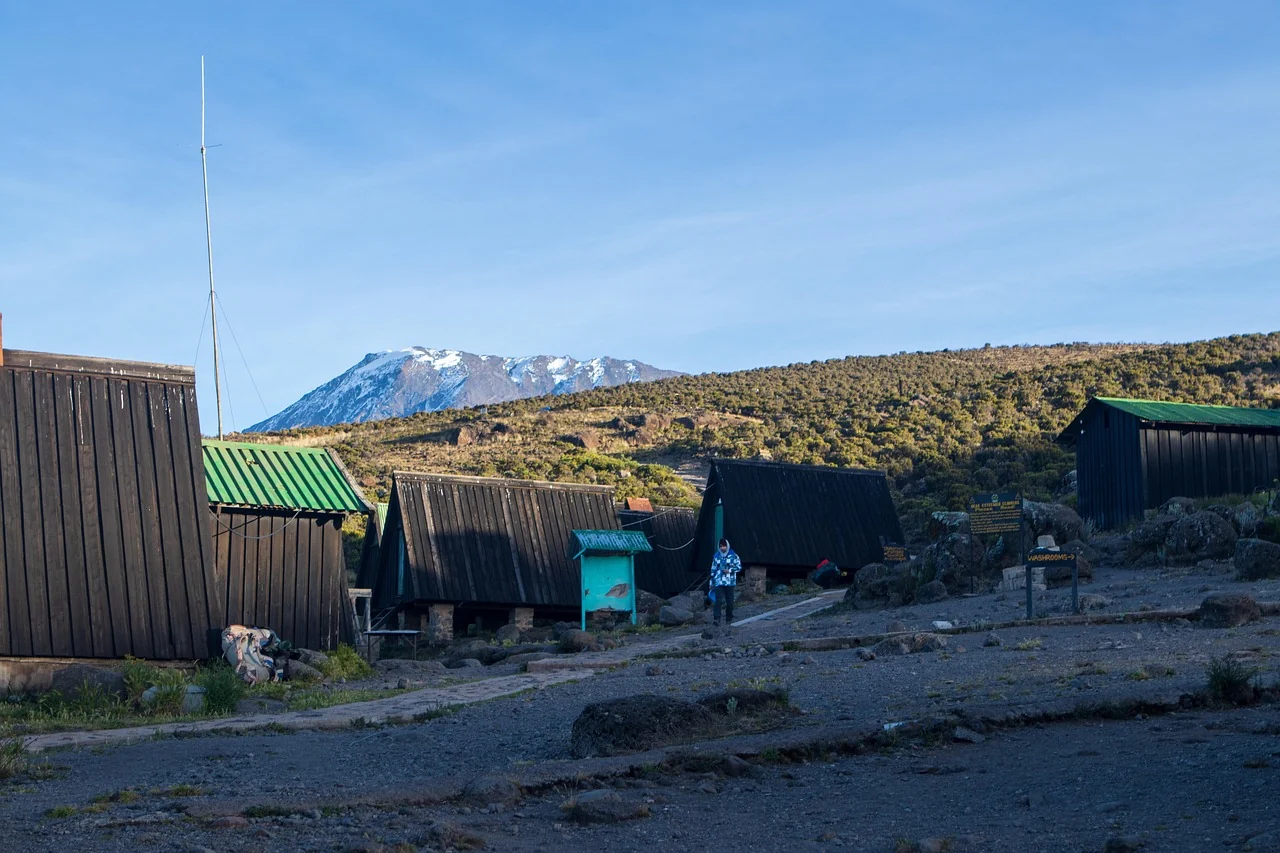
Begin beneath the Barranco Wall. The route is steep in places and requires hands for balance, but it is a scramble rather than technical rock climbing. Guides and crew manage narrow sections carefully and keep the group together. After topping out, cross a series of ridges and valleys to Karanga Camp. The shorter day protects energy while maintaining the climb-high, sleep-lower pattern.
On the Umbwe Route, this stage is managed as part of the whole acclimatisation plan, not as an isolated race to the next camp. Walking time and camp order can shift with weather, trail conditions, and park instructions.
Karanga Camp to Barafu Camp
Walk steadily from Karanga to Barafu, the high camp used for the summit attempt. Terrain becomes dry and exposed, and the goal is to reach camp early enough to eat, prepare clothing, and rest. The guide checks every climber, reviews turnaround rules, and confirms the order of summit layers, headlamp, water, snacks, and spare batteries. Sleep may be limited; quiet rest still matters.
On the Umbwe Route, this stage is managed as part of the whole acclimatisation plan, not as an isolated race to the next camp. Walking time and camp order can shift with weather, trail conditions, and park instructions.
Barafu to Uhuru Peak, then Mweka Camp
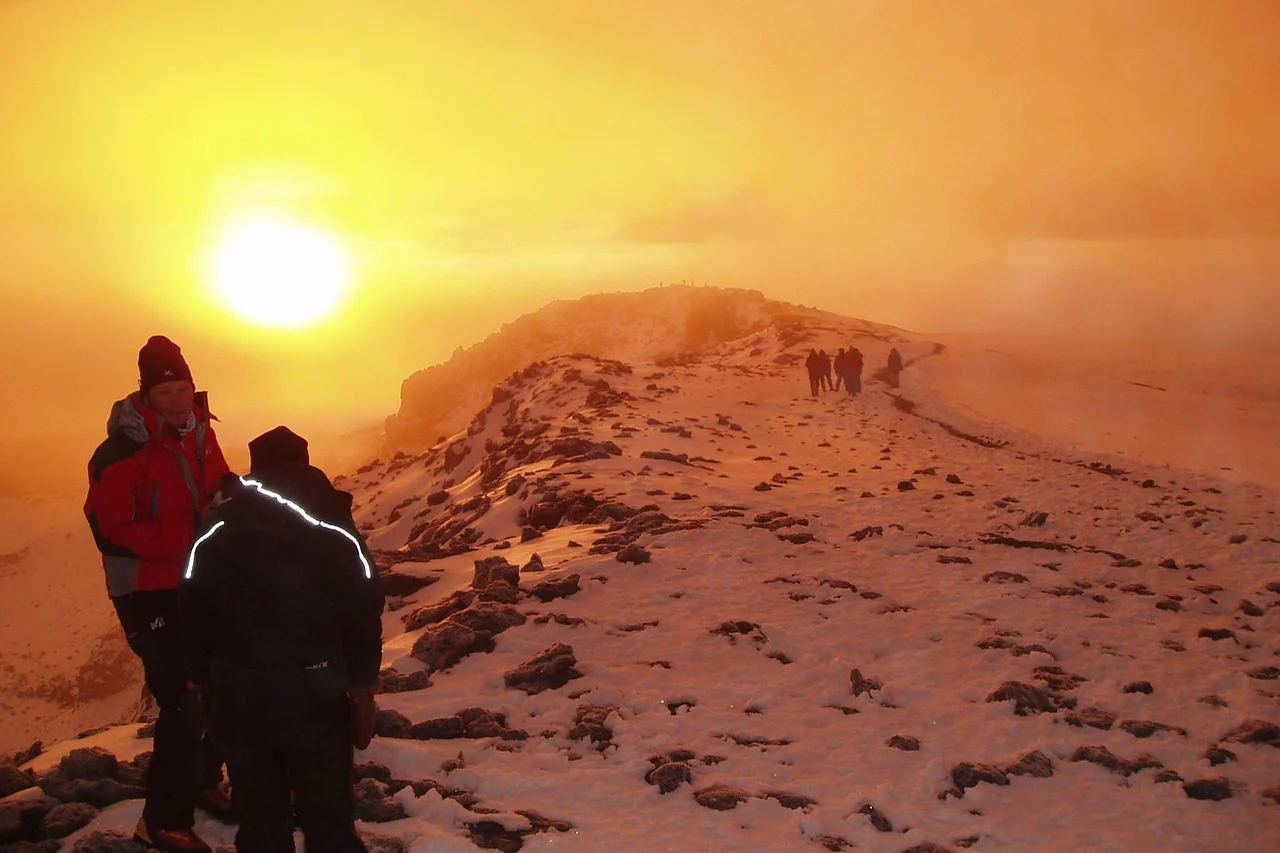
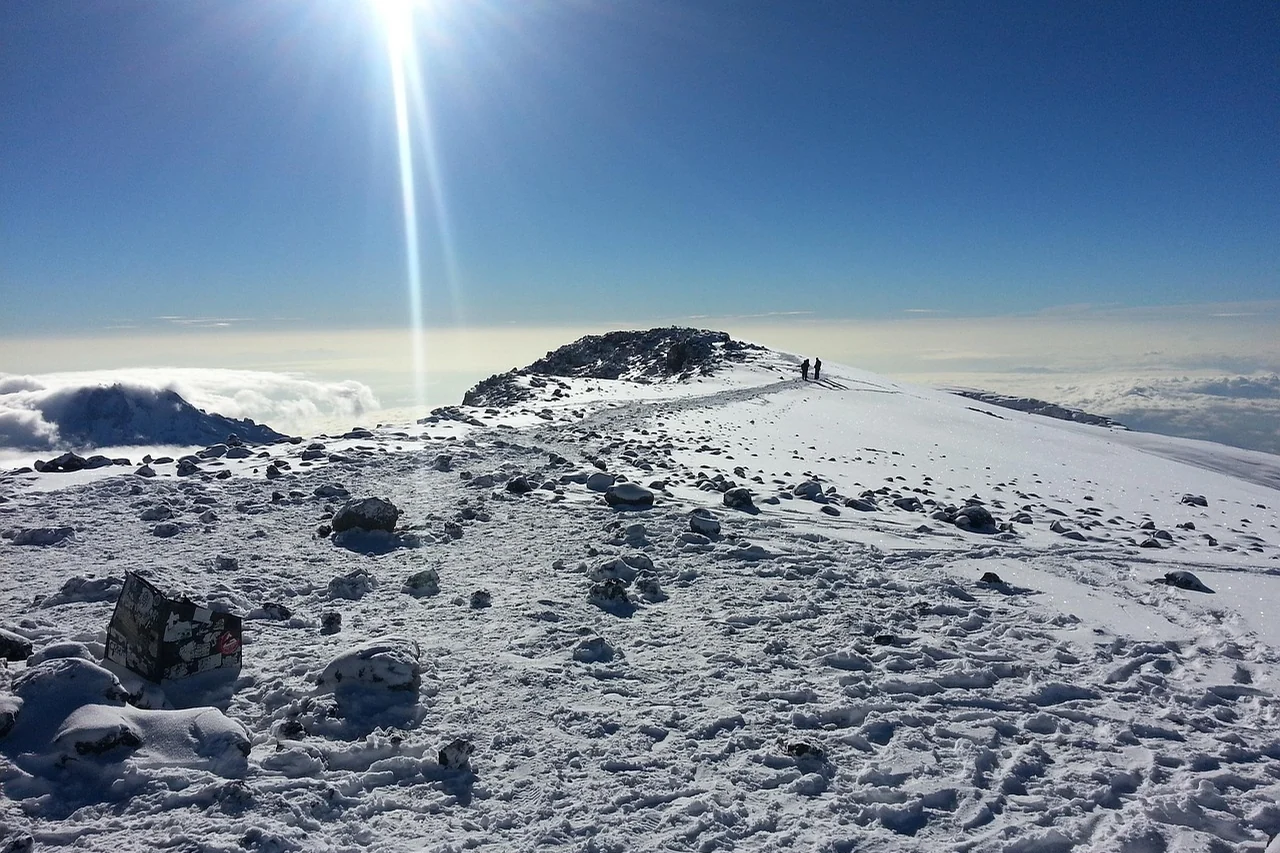
Wake late in the evening and begin the summit climb in darkness. The route rises slowly toward Stella Point, where the crater rim is reached, then continues to Uhuru Peak if weather, time, and health allow. This is a long, cold night and morning. After photographs, descend carefully to Barafu for food and a short rest, then continue down to Mweka Camp. The descent is demanding on knees and concentration.
On the Umbwe Route, this stage is managed as part of the whole acclimatisation plan, not as an isolated race to the next camp. Walking time and camp order can shift with weather, trail conditions, and park instructions.
Mweka Camp to Mweka Gate
Descend through heath and forest to Mweka Gate. The warmer, oxygen-rich air is welcome, but wet roots and tired legs still require attention. At the gate, complete park procedures and meet the transfer vehicle. The crew tipping ceremony, if the group chooses one, is handled transparently before departure. Return to Moshi for a hot shower, meal, and certificate arrangements for successful summit points.
On the Umbwe Route, this stage is managed as part of the whole acclimatisation plan, not as an isolated race to the next camp. Walking time and camp order can shift with weather, trail conditions, and park instructions.
Altitude and acclimatisation approach
The Umbwe Route gains height across 6 mountain days. The value of the schedule is not only the summit day; it is the sequence of gains, descents, rest periods, and sleeping altitudes that lead to it. Guides use a deliberately slow pace, regular hydration reminders, appetite observations, symptom questions, and basic measurements as part of the daily health picture.
Numbers alone do not diagnose altitude illness. Honest conversation and guide judgement are essential. Climbers should never hide symptoms to protect a summit goal. Descending early can be the correct and successful decision.
Medication and medical advice
Discuss altitude medication, existing health conditions, and vaccinations with a qualified clinician who knows your history. The company and mountain guides do not replace medical advice. Bring enough personal medication, a copy of prescriptions, and insurance details.
Indicative climb price
The planning price starts at $2,390 per person. The final amount depends on group size, pre- and post-climb hotel nights, route fee revisions, private transfers, equipment rental, and any safari extension.
| Group example | From per person | Notes |
|---|---|---|
| Private climb for 2 | $2,390 | Two trekkers sharing crew and group equipment |
| Private climb for 4 | $2,103 | Four trekkers sharing fixed logistics |
| Private climb for 6 | $1,960 | Six trekkers with route-specific guide ratio |
A lower price should never be achieved by reducing required crew, food, shelter, guide support, or safety equipment. Compare the written inclusion list, not only the headline.
What the standard climb includes
Normally included
- Kilimanjaro park, camping or hut, rescue, and conservation fees stated in the proposal
- Professional lead guide and route-appropriate assistant guides
- Cooks and porter crew for group equipment
- Mountain tents or hut reservations according to route
- Meals and drinking-water treatment on the mountain
- Group first-aid kit, emergency oxygen, and basic monitoring equipment
- Transfers between Moshi and the trail gates
- Pre-climb briefing and equipment check
Normally excluded
- International flights, visa, and travel insurance
- Personal clothing, boots, and equipment unless rented
- Tips for guides, cooks, and porters
- Extra hotel nights, meals, and drinks not stated
- Personal medication, medical treatment, and evacuation costs outside included park procedures
- Changes or private services requested after confirmation
Equipment and clothing
Use a layering system rather than one heavy garment. A normal daypack should carry rain shell, warm layer, water, snacks, sunscreen, hat, gloves, and personal items. Porters carry the main duffel within the agreed weight limit.
Items worth testing before Tanzania
- Boots and socks on long, back-to-back walks.
- Daypack fit with the weight you will actually carry.
- Water bottles or hydration system in cold conditions.
- Headlamp with gloves on and spare batteries available.
- Summit layers together, not one item at a time.
- Sleeping bag temperature rating and comfort.
Bulky items can often be rented in Moshi, but fit and condition should be checked before the briefing ends. Boots are rarely the best item to rent at the last minute.
Guide checks, turnaround decisions, and descent
Guides observe walking pace, balance, communication, appetite, hydration, breathing, and symptoms throughout the route. Formal checks are normally carried out morning and evening, with additional checks when needed. Emergency oxygen and first-aid supplies support a response; they are not permission to keep climbing when descent is indicated.
If a climber must descend, an assistant guide or appropriate crew member accompanies them according to the situation. The rest of the group may continue if guide coverage remains safe. Vehicle access is limited to certain points, so evacuation time depends on location, weather, and park procedure.
Confirm that the policy covers high-altitude trekking to Kilimanjaro's elevation, emergency treatment, evacuation, trip interruption, and the activities before and after the climb.
Questions about the Umbwe Route
How difficult is the Umbwe Route?
It is graded very challenging. Technical climbing skills are not normally required on the standard trail, but the route involves consecutive walking days, cold, uneven ground, and significant altitude. Fitness does not remove altitude risk.
Does the price include park fees and crew?
The standard quote includes the published route services, park and camping or hut fees, professional mountain crew, meals on the mountain, group safety equipment, and Moshi transfers listed in the final proposal. International flights, personal gear, insurance, tips, and personal expenses are separate unless stated.
Can you guarantee a summit?
No. Weather, altitude response, illness, trail conditions, and individual wellbeing all affect the outcome. A responsible guide may turn a climber around. We focus on route choice, pace, monitoring, and support rather than advertising a guaranteed result.
What happens if I need to descend early?
The guide assesses the situation and organises an assisted descent or evacuation according to severity, location, and park procedure. Additional transport or medical costs may be claimable through suitable travel insurance, which is required.
Can I rent equipment in Moshi?
Yes, many bulky items can be rented, including sleeping bags, poles, duffels, and some outer layers. Boots and critical personal layers are usually better tested and brought from home. All rental items should be checked for fit and condition before departure.
How are tips handled?
Tips are voluntary but customary. We provide a crew list and a suggested framework before the climb. The group should count and announce the distribution openly so every crew member understands the allocation.